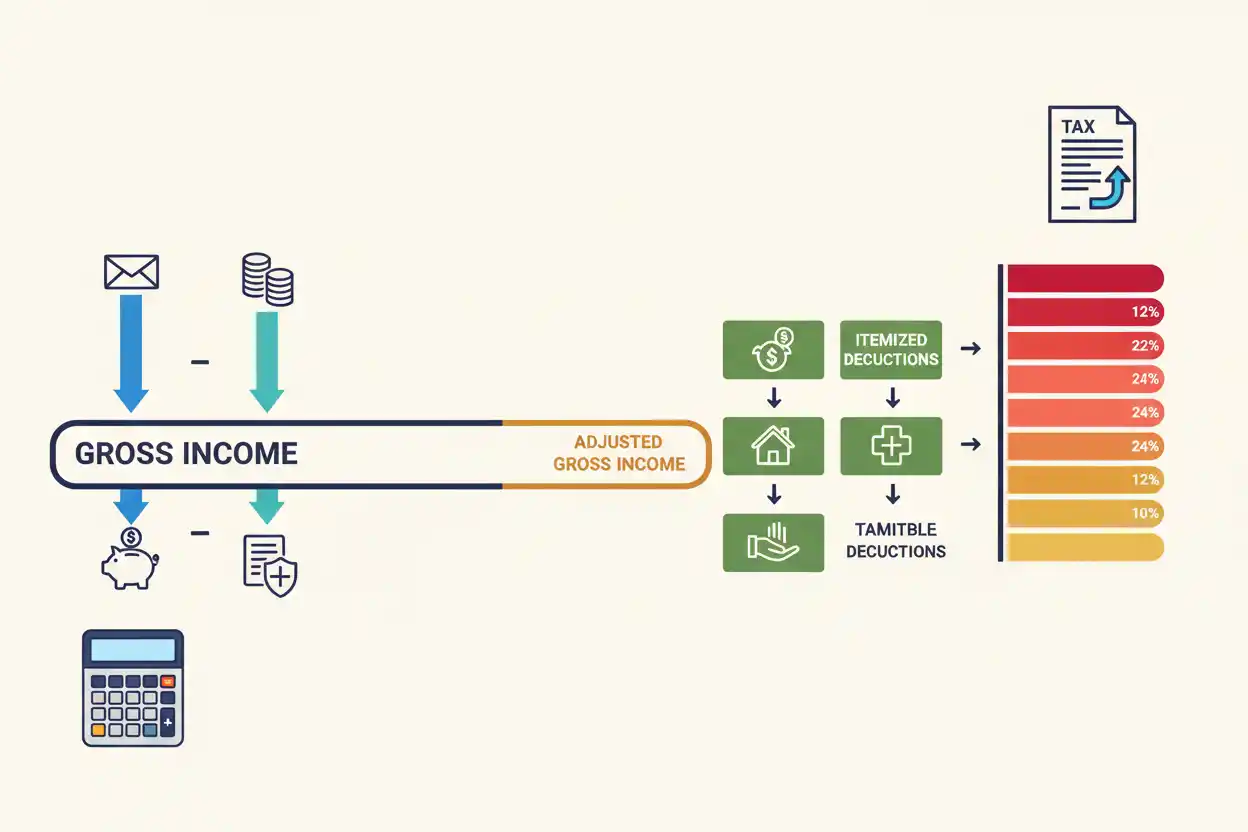
Taxable income is the amount of income that remains subject to an income-tax calculation after the applicable adjustments and deductions have been applied.
Suppose a simplified calculation begins with $100,000 of income, subtracts $5,000 of qualifying adjustments, and then subtracts a $20,000 applicable deduction.
Taxable Income = $100,000 − $5,000 − $20,000
= $75,000
Taxable income is therefore not necessarily the same as salary, gross income, adjusted gross income, or take-home pay.
It is a later-stage tax figure.
Taxable Income Formula
A simplified formula is:
Taxable Income = Income Before Final Deductions − Applicable Deductions
In a broader conceptual sequence:
Gross Income − Eligible Adjustments = Adjusted Income
Then:
Adjusted Income − Applicable Deductions = Taxable Income
The precise tax return can contain additional rules, but this structure captures the underlying arithmetic.
Taxable Income Example
Suppose:
Gross Income = $90,000
Qualifying adjustments:
$4,000
Adjusted amount:
$86,000
Applicable deduction:
$16,000
Then:
Taxable Income = $86,000 − $16,000
= $70,000
The tax brackets or applicable tax-rate calculations would then operate from the appropriate taxable-income amount.
Gross Income vs Taxable Income
Suppose a person earns:
$100,000 Gross Income
but reaches:
$75,000 Taxable Income
after adjustments and deductions.
Difference:
$100,000 − $75,000
= $25,000
The $25,000 difference does not mean the taxpayer received $25,000 of tax savings.
It means the modeled tax base is $25,000 lower.
Actual tax savings depend on the rates that would otherwise have applied.
Taxable Income vs Adjusted Gross Income
Adjusted gross income occurs before certain later deductions in the simplified federal structure.
Suppose:
AGI = $85,000
and the applicable deduction is:
$15,000
Then:
Taxable Income = $70,000
Therefore:
AGI ≠ Taxable Income
even though one can lead into the other.
Taxable Income vs Take-Home Pay
Take-home pay measures cash received after paycheck withholding and deductions.
Taxable income measures the amount ultimately subject to the relevant income-tax calculation.
Suppose:
Monthly Take-Home Pay = $4,500
That number does not allow you to conclude:
Annual Taxable Income = $54,000
because the paycheck already reflects withholding, payroll deductions, benefits, and other items.
Solve for the Deduction Amount
Suppose:
Income Before Deduction = $90,000
and taxable income is:
$72,000
Then:
Applicable Deduction = $90,000 − $72,000
= $18,000
This arithmetic identifies the difference but does not establish why the $18,000 is deductible.
Eligibility must come from the applicable tax rules.
Taxable Income Percentage of Gross Income
Suppose:
Gross Income = $100,000
Taxable Income = $75,000
Then:
Taxable Income Percentage = $75,000 ÷ $100,000 × 100
= 75%
The remaining 25% reflects the combined reduction between those two modeled income figures.
It is not an effective tax rate.
Taxable Income and Tax Rates
Suppose taxable income is:
$70,000
A progressive tax system might divide the $70,000 among several brackets.
It would normally be incorrect to identify the highest applicable rate and multiply all $70,000 by that rate.
Taxable income tells you the base entering the bracket structure; the bracket structure determines how tax is calculated from that base.
Taxable Income After an Additional Deduction
Suppose taxable income before an additional allowable deduction is:
$70,000
Additional deduction:
$5,000
New taxable income:
$65,000
Reduction:
7.14%
because:
$5,000 ÷ $70,000 × 100 ≈ 7.14%
The reduction in taxable income should still not be confused with the reduction in tax.
Taxable Income and Tax-Loss Harvesting
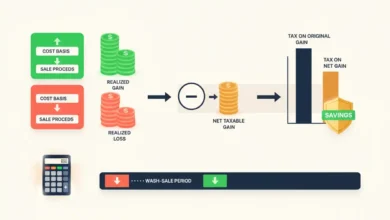
Tax-loss harvesting can affect the broader tax calculation when realized investment losses interact with capital gains and applicable capital-loss rules.
Suppose an investor realizes:
$10,000 Capital Gain
and:
$7,000 Allowable Capital Loss
Simplified net capital gain:
$3,000
The final effect on taxable income depends on the required gain-and-loss netting and other tax rules.
The investment loss should not simply be subtracted from salary as though it were an ordinary payroll deduction.
Taxable Income and VAT
VAT is a transaction or consumption-tax concept rather than a measure of personal taxable income.
Suppose a consumer pays $120 including VAT.
That $120 retail price does not determine the consumer’s income-taxable earnings.
Likewise, an individual’s taxable income does not determine the VAT rate charged on a qualifying purchase.
Taxable Income and VAT Rate
A VAT rate applies to the taxable value of a qualifying transaction within the relevant VAT system.
For example:
Net Price = $100
VAT Rate = 20%
VAT = $20
The $100 transaction base is not the customer’s personal taxable income.
The phrase “taxable” can refer to different bases in different tax systems.
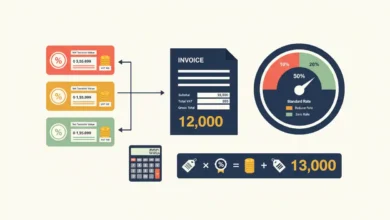
Taxable Income and Tax-Inclusive Prices
A tax-inclusive price already includes transaction tax.
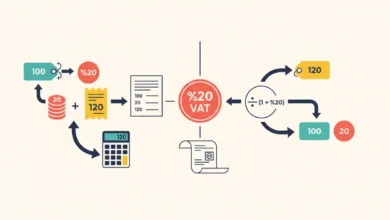
Suppose a product costs:
$120 Including 20% VAT
Pre-tax value:
$120 ÷ 1.20
= $100
This transaction calculation does not determine income-taxable income.
Taxable Income and Tax-Exclusive Prices
A tax-exclusive price is stated before the relevant transaction tax.
Suppose:
Tax-Exclusive Price = $100
and:
Transaction Tax = $20
The $100 is a transaction tax base.
It is not automatically income-taxable income for the buyer or seller without applying the relevant accounting and tax rules.
Salary Plus Other Income
Suppose:
Salary = $70,000
Bonus = $5,000
Other Included Income = $5,000
Gross income:
$80,000
If adjustments total $4,000 and deductions total $16,000:
Taxable Income = $80,000 − $4,000 − $16,000
= $60,000
This illustrates why annual salary alone is not enough to calculate taxable income.
Taxable Income With a Capital Gain
Suppose ordinary gross income is:
$80,000
and a taxable investment transaction contributes:
$10,000 Gain
Before later adjustments:
Combined Modeled Income = $90,000
The tax treatment of the investment gain can differ from ordinary income, so the final return may not simply apply one rate to the entire $90,000.
Income classification matters in addition to total amount.
Taxable Income With a Business
Suppose:
Business Revenue = $150,000
Allowable Business Expenses = $60,000
Simplified business profit:
$90,000
The $150,000 of revenue is not automatically the owner’s taxable income.
Other tax-return items can further affect the final taxable-income figure.
Taxable Income Cannot Be Found From Bank Deposits Alone
Suppose a person receives:
$200,000 Into Bank Accounts
during a year.
Some deposits might represent income, while others might represent transfers, loan proceeds, reimbursements, or other non-income cash movements.
Cash received and taxable income are not automatically identical.
Classification comes before summation.
Deduction vs Exclusion
Suppose $5,000 is excluded from an income measure before taxable income is calculated.
That is conceptually different from first including $5,000 and then deducting it later, even if both methods produce the same numerical result in a simple example.
The legal mechanism can affect other calculations.
Tax Credits Do Not Usually Change Taxable Income
Suppose:
Taxable Income = $70,000
and tax calculated from that income is:
$10,000
A $2,000 allowable tax credit reduces tax to:
$8,000
Taxable income remains:
$70,000
Credits and taxable-income deductions operate at different stages.
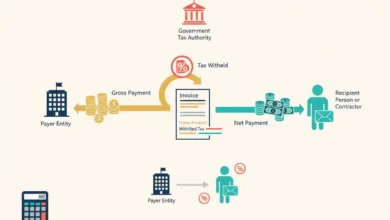
Withholding Does Not Determine Taxable Income
Suppose an employer withholds:
$12,000
during the year.
That does not imply taxable income is:
$12,000 ÷ Tax Rate
Payroll withholding is a prepayment mechanism.
The tax return determines taxable income from the underlying income, adjustments, and deductions.
Negative Taxable Income
In simplified examples, subtracting deductions can mathematically produce a negative number.
Actual tax systems can impose floors, carryforward rules, loss limitations, or other treatments rather than simply applying an ordinary negative taxable-income amount.
Therefore, formulas should not be extended beyond the rules governing the tax return.
Taxable Income Changes From Year to Year
Suppose gross income stays at $100,000 but the applicable deductions change:
Year 1:
Taxable Income = $75,000
Year 2:
Taxable Income = $80,000
Taxable income rose by:
$5,000
even though gross income did not change.
Taxable income reflects both income and the rules or circumstances that reduce it.
Common Taxable Income Mistakes
A common error is using gross salary as taxable income.
Another is subtracting tax credits from taxable income rather than from tax.
People also use take-home pay as a proxy for taxable income, mix transaction-tax bases with income-tax bases, or subtract every personal expense as though it were deductible.
Frequently Asked Questions
What is taxable income?
Taxable income is the income amount that remains subject to the relevant income-tax calculation after applicable adjustments and deductions.
What is the basic formula?
A simplified formula is:
Taxable Income = Income Before Final Deductions − Applicable Deductions
Is taxable income the same as gross income?
No.
Is taxable income the same as adjusted gross income?
Not necessarily.
Is taxable income the same as take-home pay?
No.
Do deductions reduce taxable income?
Allowable deductions can.
Do tax credits reduce taxable income?
Credits generally reduce tax rather than the taxable-income figure itself.
Does withholding reduce taxable income?
Not simply because tax was withheld from a paycheck.
Can investment gains affect taxable income?
Yes, depending on the type of gain and applicable tax rules.
Can tax-loss harvesting affect taxable income?
It can affect the broader tax calculation through capital-gain and capital-loss rules.
Is a VAT-taxable amount the same as income-taxable income?
No.
Why calculate taxable income before tax?
Because the applicable tax-rate structure needs a defined income base before the tax amount can be determined.