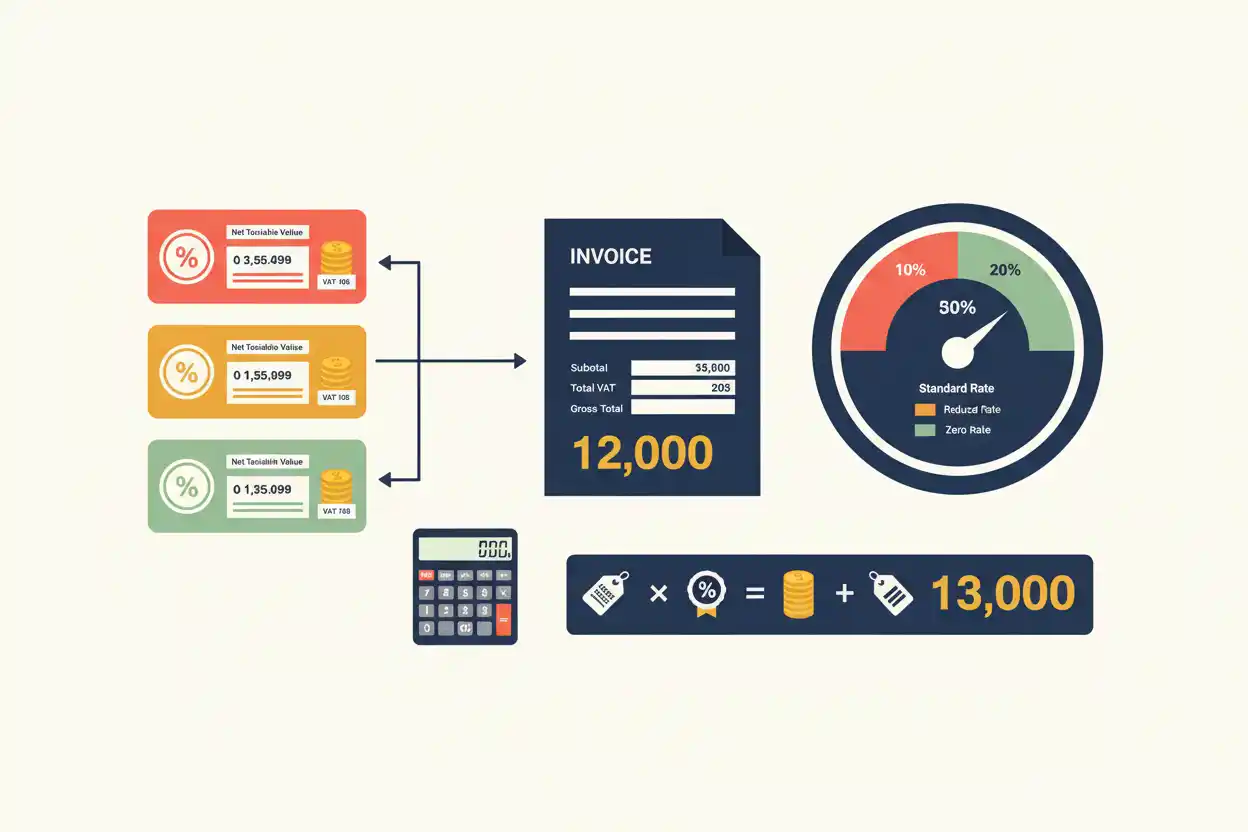
The VAT rate is the percentage applied to a taxable net value to determine the amount of value-added tax.
If a transaction has a net value of $500 and VAT of $75:
VAT Rate = $75 ÷ $500 × 100
= 15%
The gross price is:
$500 + $75 = $575
The VAT rate should be calculated from the relevant net taxable base, not from the gross amount that already includes VAT.
VAT Rate Formula
When net value and VAT are known:
VAT Rate = VAT Amount ÷ Net Taxable Value × 100
Suppose:
Net Price = $800
VAT = $160
Then:
VAT Rate = $160 ÷ $800 × 100
= 20%
Calculate VAT From a Known Rate
Rearrange the formula:
VAT Amount = Net Price × VAT Rate
For a $500 net price at 15%:
VAT = $500 × 0.15
= $75
Gross price:
$575
Calculate Gross Price
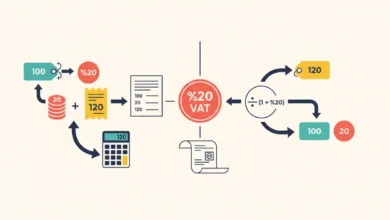
Gross Price = Net Price × (1 + VAT Rate)
For $500 at 15%:
Gross Price = $500 × 1.15
= $575
This combines the 100% net price and the 15% VAT.
VAT Rate From Gross and Net Prices
Suppose:
Gross Price = $575
Net Price = $500
VAT:
$575 − $500
= $75
Then:
VAT Rate = $75 ÷ $500 × 100
= 15%
A shortcut is:
VAT Rate = Gross Price ÷ Net Price − 1
$575 ÷ $500 − 1
= 15%
Why You Cannot Divide VAT by Gross
Using the same example:
$75 ÷ $575 × 100
≈ 13.04%
That is VAT as a percentage of the final gross price.
It is not the 15% VAT rate applied to the net base.
The denominator determines which percentage is being measured.
VAT Rate vs VAT
The broader VAT calculation distinguishes:
Net Price
VAT Amount
Gross Price
The VAT rate is only the percentage connecting those figures.
For example:
Net = $1,000
Rate = 10%
VAT = $100
Gross = $1,100
The rate is 10%; the tax is $100.
Find Net Value From VAT and Rate
Suppose:
VAT = $60
VAT Rate = 12%
Then:
Net Value = VAT ÷ VAT Rate
$60 ÷ 0.12
= $500
Gross:
$560
Find Gross Value From VAT and Rate
First calculate the net base:
Net = VAT ÷ Rate
Then add VAT.
Using $60 at 12%:
Net = $500
Gross = $560
A direct formula is:
Gross = VAT × (1 + Rate) ÷ Rate
provided the rate is expressed in decimal form.
Zero VAT Rate
If the applicable rate is:
0%
then:
VAT = Net Value × 0%
= $0
Gross and net price become equal:
Gross = Net
A zero rate should not be confused with the absence of a transaction from a VAT system, because real VAT systems can distinguish zero-rated and exempt supplies.
Mixed VAT Rates
Suppose an invoice contains:
Item A:
$300 Net at 5%
VAT:
$15
Item B:
$200 Net at 20%
VAT:
$40
Total net:
$500
Total VAT:
$55
Blended effective VAT rate:
$55 ÷ $500 × 100
= 11%
The invoice has an 11% blended VAT burden even though neither item uses an 11% statutory rate.
Weighted Average VAT Rate
For multiple rates:
Blended VAT Rate = Total VAT ÷ Total Net Taxable Value × 100
This automatically weights each rate by its associated taxable value.
Suppose 90% of value is taxed at 5% and only 10% at 20%.
The blended rate will be much closer to 5% than 20%.
A simple arithmetic average of the two rates would not capture that weighting.
Why Averaging Rates Directly Can Be Wrong
Suppose:
$900 at 5%
and:
$100 at 20%
Simple average of rates:
(5% + 20%) ÷ 2
= 12.5%
Actual VAT:
$45 + $20 = $65
Total net:
$1,000
Blended rate:
$65 ÷ $1,000
= 6.5%
The simple 12.5% average is misleading because the transaction values are unequal.
VAT Rate Increase
Suppose a VAT rate rises:
10% → 15%
The change is:
5 Percentage Points
Relative increase:
(15% − 10%) ÷ 10% × 100
= 50%
The rate increased by five percentage points but is 50% higher relative to the original rate.
Effect on Gross Price
Suppose net price remains:
$200
At 10% VAT:
Gross = $220
At 15% VAT:
Gross = $230
Increase:
$10
Relative increase in gross price:
$10 ÷ $220
≈ 4.55%
A 50% relative increase in the VAT rate does not create a 50% increase in the consumer’s final price.
VAT Rate Decrease
Suppose rate falls:
20% → 15%
Net price remains $100.
Old gross:
$120
New gross:
$115
Difference:
$5
Gross price falls:
$5 ÷ $120
≈ 4.17%
VAT Rate and Withholding Tax
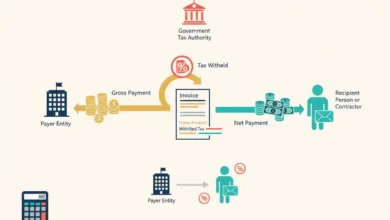
Withholding tax reduces the cash paid to a recipient by deducting tax from a gross payment.
VAT generally adds tax to a transaction base.
Suppose:
Net Invoice = $1,000
VAT Rate = 20%
Gross invoice:
$1,200
If an unrelated withholding regime also requires a payment deduction, that withholding should be calculated under its own tax base rather than simply being netted into the VAT rate.
VAT Rate and Taxable Income
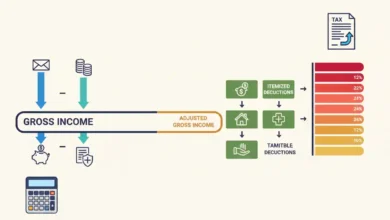
Taxable income is an income-tax measure.
A 20% VAT rate does not mean 20% of a person’s taxable income is VAT.
VAT rate belongs to a qualifying transaction.
Income-tax rates belong to an income-tax base.
VAT Rate and Tax-Loss Harvesting
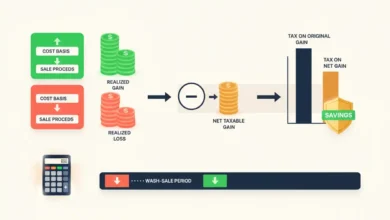
Tax-loss harvesting concerns realized investment losses.
Suppose an investor realizes a $10,000 capital loss.
That amount should not be multiplied by a 20% VAT rate to estimate an investment tax benefit.
The two tax systems address different economic events.
VAT Rate and Tax-Inclusive Price
A tax-inclusive price can be reversed when the VAT rate is known.
Suppose:
Gross Price = $240
VAT Rate = 20%
Net:
$240 ÷ 1.20
= $200
VAT:
$40
This is one of the most practical uses of a known VAT rate.
VAT Rate From Inclusive Price and VAT
Suppose:
Gross = $240
VAT Included = $40
Net:
$200
Then:
VAT Rate = $40 ÷ $200
= 20%
Dividing $40 by $240 would produce 16.67%, which measures the tax as a percentage of gross rather than the VAT rate on net.
Rate Needed for a Target Gross Price
Suppose:
Net Price = $500
and the desired gross price is:
$575
Required VAT:
$575 − $500 = $75
Rate:
$75 ÷ $500
= 15%
Rate Needed for a Target VAT Amount
Suppose:
Net Value = $400
and VAT should equal:
$72
Then:
VAT Rate = $72 ÷ $400
= 18%
Rate and Discount Example
Suppose:
Net Price = $1,000
Discount:
10%
Discounted net:
$900
At a 20% VAT rate:
VAT = $180
Gross:
$1,080
If the discount validly changes the taxable net base, VAT falls from $200 to $180.
VAT Rate on Only Part of an Invoice
Suppose invoice value is:
$1,000
but only $700 is subject to a 20% VAT rate.
VAT:
$700 × 20%
= $140
VAT relative to total invoice value before tax:
$140 ÷ $1,000
= 14%
The statutory rate on taxable value is still 20%.
The lower 14% figure reflects the mixed taxability of the overall invoice.
Rounding the VAT Rate
Suppose:
Net = $333
VAT = $24.98
Rate:
$24.98 ÷ $333 × 100
≈ 7.5015%
Depending on the underlying transaction, this may reflect a 7.5% rate with rounding.
Small deviations should be checked against invoice rounding before assuming the statutory rate is unusual.
Rate Verification
When reviewing an invoice, a useful check is:
Calculated VAT ÷ Net Taxable Amount
If the result does not match the expected rate, investigate whether the difference comes from:
tax-exempt items, multiple rates, discounts, rounding, or an incorrect tax base.
The percentage alone cannot explain the discrepancy until the taxable subtotal is verified.
Common VAT Rate Mistakes
A frequent mistake is calculating the VAT rate by dividing VAT by gross price.
Another is taking a simple average of several rates without weighting them by taxable value.
People also confuse percentage-point changes with percentage changes or assume a VAT rate applies to every line of a mixed invoice.
Frequently Asked Questions
What is the VAT rate formula?
VAT Rate = VAT Amount ÷ Net Taxable Value × 100
What rate produces $75 VAT on $500 net?
15%
How do I calculate VAT from the rate?
VAT = Net Price × VAT Rate
How do I calculate gross price?
Gross = Net × (1 + VAT Rate)
How do I calculate the rate from gross and net prices?
VAT Rate = Gross ÷ Net − 1
Why shouldn’t VAT be divided by the gross price?
Because the VAT rate is applied to the net taxable base.
What is a blended VAT rate?
It is total VAT divided by total net value across items with different rates.
Should different VAT rates be averaged directly?
Not usually. They should be weighted by their taxable values.
What does a zero VAT rate produce?
Zero VAT on the relevant taxable base.
Can a rate change without net price changing?
Yes, which changes the gross price.
Is VAT rate the same as an income-tax rate?
No.
Why verify the taxable base before the rate?
Because a correct rate calculated from the wrong base produces a misleading result.