Finance
-

Pension Payouts: Timeline & Estimates
Pension payouts are recurring retirement payments provided under the rules of a pension plan. For a traditional defined-benefit pension, the…
Read More » -
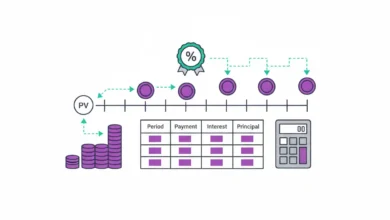
How Payment Amounts Are Calculated: Rate, Term, Principal
Payment amounts are calculated by combining the amount financed, the periodic interest rate, the number of payments, and the timing…
Read More » -
Ordinary Annuity: Formula, Meaning & Example
An ordinary annuity is a series of equal payments made at the end of each period. Monthly loan payments, certain…
Read More » -
Nominal Return: Formula, Meaning & Example
Nominal return measures an investment’s percentage gain or loss without adjusting the result for inflation. If a $10,000 investment grows…
Read More » -
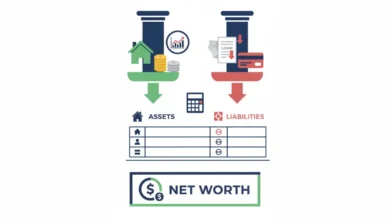
Net Worth: Assets vs Liabilities
Net worth is the difference between what you own and what you owe. If your assets are worth $420,000 and…
Read More » -
Monthly Interest: How It’s Calculated
Monthly interest is the amount of interest earned or charged during a monthly period. A common calculation begins by converting…
Read More » -
Money-Weighted Return: Formula, Meaning & Example
Money-weighted return measures investment performance while accounting for both the size and timing of cash flows into and out of…
Read More » -
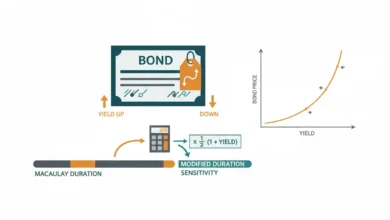
Modified Duration: Formula, Meaning & Example
Modified duration estimates how sensitive a bond’s price is to a small change in yield. If a bond has modified…
Read More » -
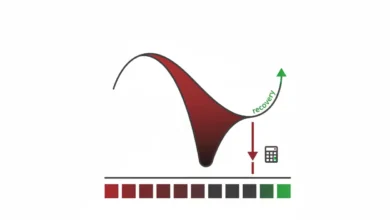
Maximum Drawdown: Formula, Meaning & Example
Maximum drawdown measures the largest percentage decline from a portfolio or investment’s previous peak to a subsequent trough during a…
Read More » -
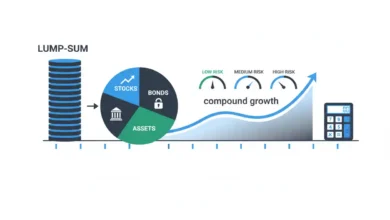
Lump-Sum Investing: Formula, Meaning & Example
Lump-sum investing means investing an available amount of money at one time rather than deliberately spreading the investment across multiple…
Read More »