Finance
-

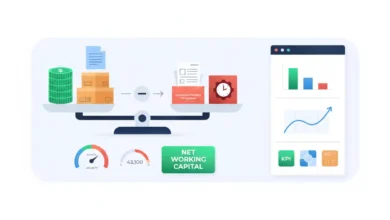
Working Capital: Formula, Meaning & Example
Working capital measures the short-term financial resources available to a business after its current liabilities are deducted from its current…
Read More » -
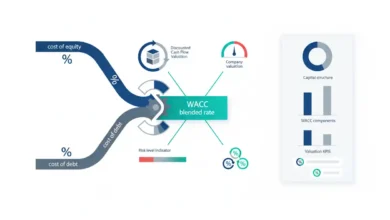
Weighted Average Cost Of Capital: Formula, Meaning & Example
Weighted average cost of capital, usually abbreviated as WACC, estimates the blended return a company’s capital providers require for supplying…
Read More » -
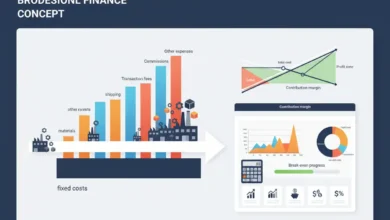
Variable Costs: Formula, Meaning & Example
Variable costs are expenses that change as business activity changes. When a company produces or sells more units, total variable…
Read More » -
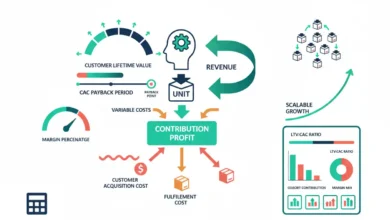
Unit Economics: Formula, Meaning & Example
Unit economics measures the revenue and costs associated with one economically meaningful unit of a business. Depending on the model,…
Read More » -
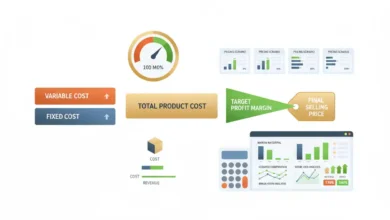
Target Pricing: Reach a Profit Margin
Target pricing calculates the selling price required to achieve a specific profit goal. That goal might be a target profit…
Read More » -
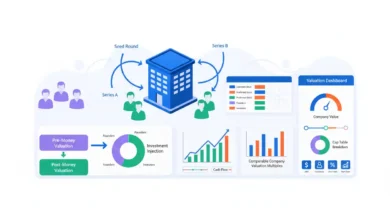
Startup Valuation: Methods & Examples
Startup valuation estimates what a young private company is worth at a particular point in time. Unlike a mature public…
Read More » -
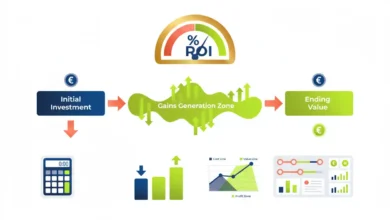
ROI: Return on Investment
ROI, or return on investment, measures the gain or loss from an investment relative to the amount invested. It converts…
Read More » -
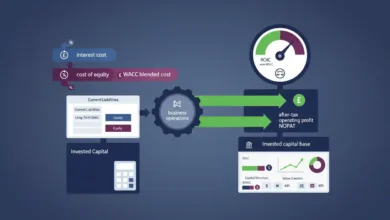
Return On Invested Capital: Formula, Meaning & Example
Return on invested capital measures how effectively a business generates after-tax operating profit from the capital invested in its operations.…
Read More » -
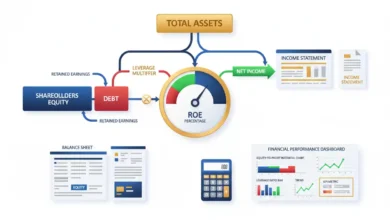
Return On Equity: Formula, Meaning & Example
Return on equity measures how much profit a company generates relative to shareholders’ equity. Commonly abbreviated ROE, it helps show…
Read More » -
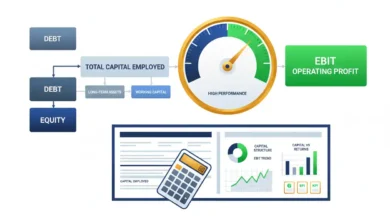
Return On Capital Employed: Formula, Meaning & Example
Return on capital employed measures how effectively a business generates operating earnings from the capital committed to it. It is…
Read More »