Finance
-

Internal Rate Of Return: Formula, Meaning & Example
Internal rate of return is the discount rate that makes the net present value of an investment’s cash flows equal…
Read More » -
Interest Coverage: Formula, Meaning & Example
Interest coverage measures how many times a company’s earnings can cover its interest expense for a given period. It is…
Read More » -
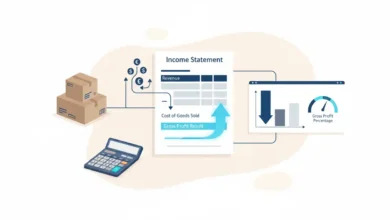
Gross Profit: Formula, Meaning & Example
Gross profit is the amount of revenue a business keeps after subtracting the direct cost of the goods or services…
Read More » -
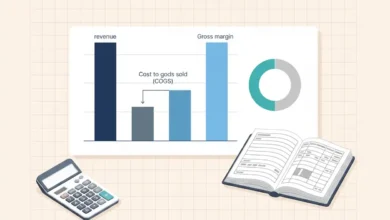
Gross Margin: Formula, Meaning & Example
Gross margin measures how much of a company’s revenue remains after subtracting the direct costs associated with producing or supplying…
Read More » -
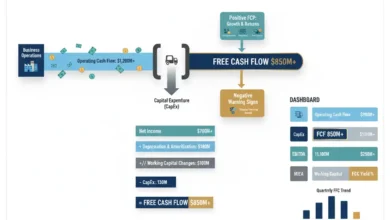
Free Cash Flow: Formula, Meaning & Examples
Free cash flow, usually abbreviated FCF, measures cash generated by a business after accounting for the capital expenditures required under…
Read More » -
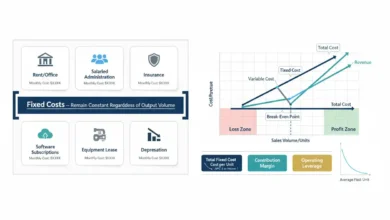
Fixed Costs: Formula, Examples & How to Calculate
Fixed costs are business costs that do not change directly with the level of output or sales volume within a…
Read More » -
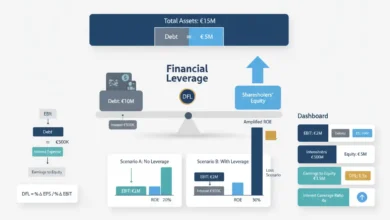
Financial Leverage: Formula, Meaning & Examples
Financial leverage is the use of debt or other fixed-cost financing to increase the amount of assets or investment a…
Read More » -
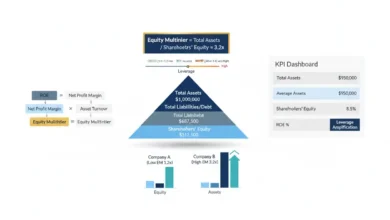
Equity Multiplier: Formula, Meaning & Examples
The equity multiplier measures how large a company’s asset base is relative to shareholders’ equity. It is a balance-sheet leverage…
Read More » -
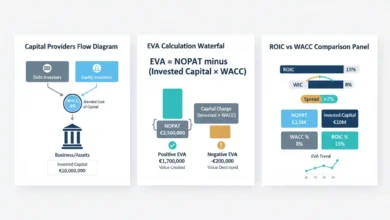
Economic Value Added: EVA Formula & Examples
Economic value added, commonly abbreviated EVA, measures whether a business generates enough after-tax operating profit to cover the cost of…
Read More » -
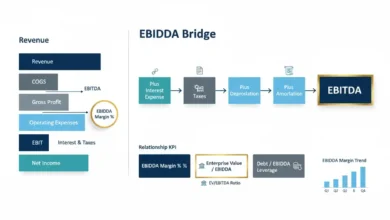
EBITDA: Formula, Meaning, Margin & Examples
EBITDA stands for earnings before interest, taxes, depreciation and amortization. It is a profitability measure used to examine earnings before…
Read More »