Finance
-

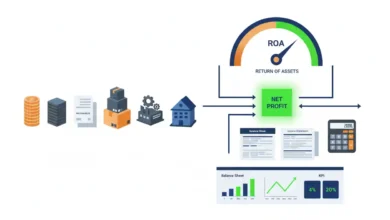
Return On Assets: Formula, Meaning & Example
Return on assets measures how much profit a company generates relative to the assets used in the business. It connects…
Read More » -
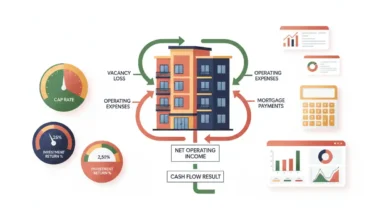
Rental Property Returns: Cash Flow & Cap Rate
Rental property returns measure how much economic benefit an investment property generates relative to its cost or the investor’s cash…
Read More » -
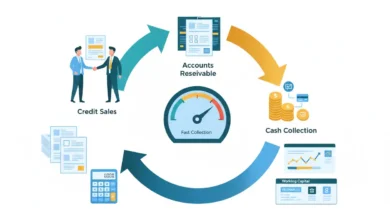
Receivables Turnover: Formula, Meaning & Example
Receivables turnover measures how efficiently a business converts its accounts receivable into collections. The ratio compares credit sales with the…
Read More » -
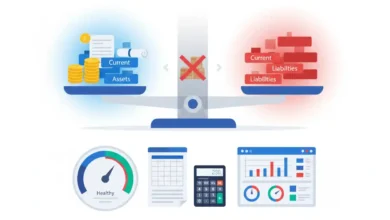
Quick Ratio: Definition, Formula & Example
The quick ratio measures a company’s ability to cover current liabilities using relatively liquid current assets without relying heavily on…
Read More » -
Profitability Index: Formula, Meaning & Example
The profitability index measures the present value of an investment’s expected future cash inflows relative to the amount invested. It…
Read More » -
Profit: Revenue, Costs, Margin
Profit is the financial amount left when the costs and expenses relevant to a calculation are subtracted from revenue, sales…
Read More » -
Payback Period: Definition, Formula & Example
The payback period measures how long it takes for an investment’s cumulative cash inflows to recover its initial cash outflow.…
Read More » -
Operating Profit: Formula, Meaning & Example
Operating profit is the earnings a business generates from its operations after subtracting the costs associated with producing its goods…
Read More » -
Operating Margin: Formula, Meaning & Example
Operating margin measures how much operating profit a business generates from each dollar of revenue after accounting for the operating…
Read More » -
Operating Leverage: Formula, Meaning & Example
Operating leverage measures how sensitive a company’s operating profit is to changes in sales. A business with high operating leverage…
Read More »