Finance
-

Pay Raise Percentage: Formula, Meaning & Example
Pay raise percentage measures the increase in compensation relative to the original pay amount. If annual salary rises from $60,000…
Read More » -
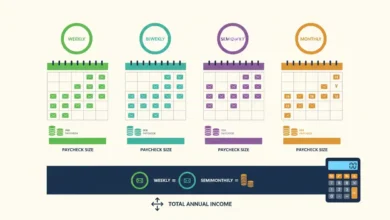
Pay Frequency: Formula, Meaning & Example
Pay frequency describes how often an employee receives a paycheck. A $78,000 annual salary produces very different individual paycheck amounts…
Read More » -
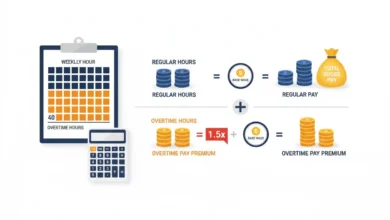
Overtime Pay: Multipliers & Examples
Overtime pay is additional compensation for hours that qualify for an overtime rate under the applicable employment rules, agreement, or…
Read More » -
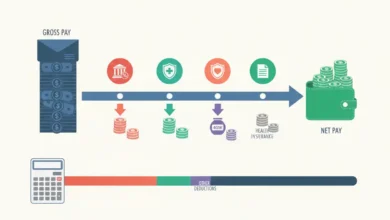
Net Pay: Take-Home Pay Basics
Net pay is the amount of a paycheck remaining after applicable taxes, withholding, employee benefit deductions, and other payroll deductions…
Read More » -
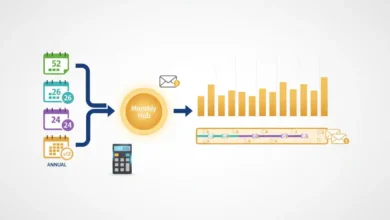
Monthly Income: From Pay Frequency
Monthly income converts earnings from another pay frequency into a monthly amount. If someone earns $78,000 per year, average gross…
Read More » -
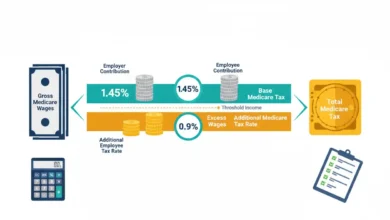
Medicare Tax: Formula, Meaning & Example
Medicare tax is a U.S. payroll tax applied to covered wages and certain other earned income. The current regular Medicare…
Read More » -
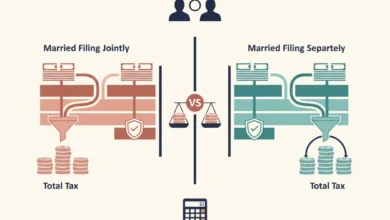
Marriage Tax: Filing Options Compared
“Marriage tax” is an informal way of describing situations in which a married couple’s combined tax result differs from what…
Read More » -
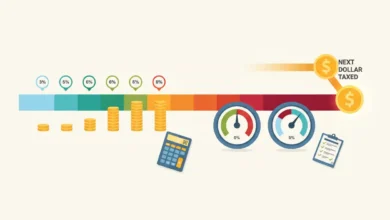
Marginal Tax Rate: Formula, Meaning & Example
Marginal tax rate is the tax rate that applies to the next dollar of taxable income within a progressive tax…
Read More » -
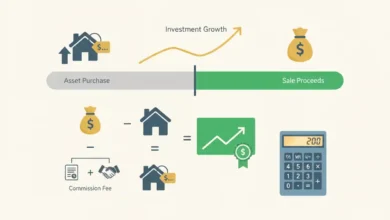
Long-Term Capital Gains: Formula, Meaning & Example
Long-term capital gains generally arise when a capital asset is sold for more than its adjusted basis after being held…
Read More » -
Itemized Deductions: Formula, Meaning & Example
Itemized deductions are qualifying expenses that a taxpayer adds together and claims individually instead of using the standard deduction when…
Read More »