Business & Accounting
-

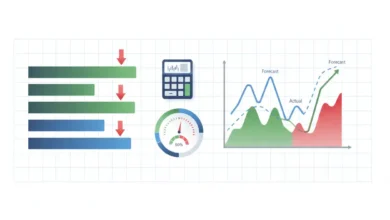
Forecast Variance: Formula, Meaning & Example
Forecast variance is the difference between an actual result and the amount previously forecast for the same metric and period.…
Read More » -
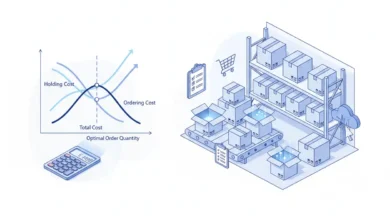
Economic Order Quantity: Formula, Meaning & Example
Economic order quantity, or EOQ, is the order size that minimizes the combined annual ordering and inventory holding costs under…
Read More » -
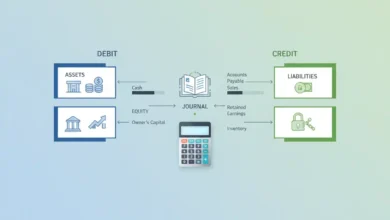
Double-Entry Bookkeeping: Formula, Meaning & Example
Double-entry bookkeeping is an accounting system in which every transaction affects at least two accounts and total debits must equal…
Read More » -
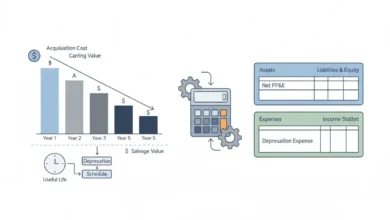
Depreciation Expense: Formula, Meaning & Example
Depreciation expense is the portion of a depreciable asset’s cost allocated to an accounting period. Instead of recognizing the entire…
Read More » -
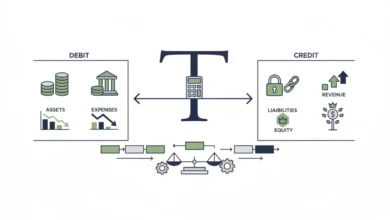
Debit And Credit: Formula, Meaning & Example
A debit and credit are the two sides used to record accounting transactions. Every properly recorded transaction keeps total debits…
Read More » -
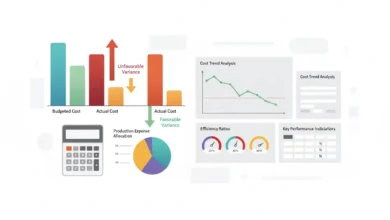
Cost Variance: Formula, Meaning & Example
Cost variance measures the difference between an actual cost and the cost that was expected, budgeted, or established as a…
Read More » -
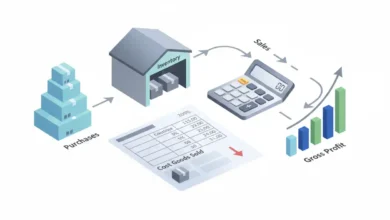
Cost Of Goods Sold: Formula, Meaning & Example
Cost of goods sold, commonly abbreviated as COGS, is the cost assigned to the goods or products a business sold…
Read More » -
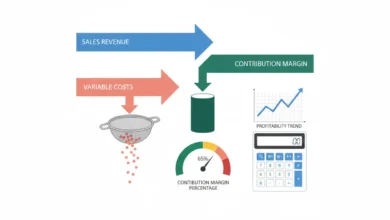
Contribution Margin Ratio: Formula, Meaning & Example
The contribution margin ratio measures the percentage of sales revenue remaining after variable costs are deducted. That remaining amount is…
Read More » -
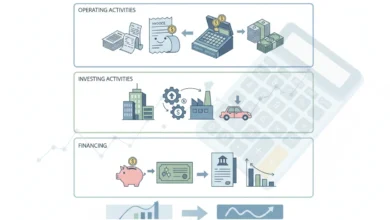
Cash Flow Statement: Formula, Meaning & Example
A cash flow statement shows how cash moved into and out of a business during a specific period. It explains…
Read More » -
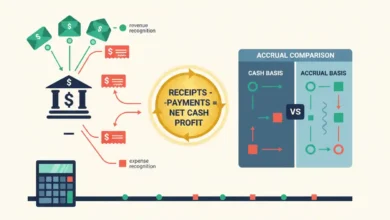
Cash Accounting: Formula, Meaning & Example
Cash accounting recognizes revenue when cash is received and expenses when cash is paid, rather than focusing primarily on when…
Read More »