Finance
-

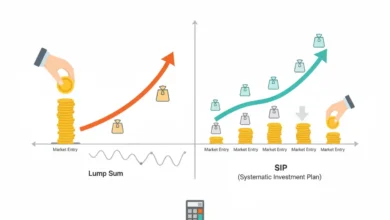
Lump Sum vs SIP: Returns Compared
Lump sum vs SIP compares two different ways of putting available investment capital into the market. A lump sum invests…
Read More » -
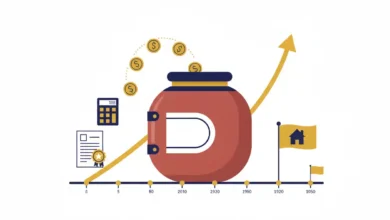
IRA: Basics & Growth
An IRA, or Individual Retirement Arrangement, is a U.S. tax-advantaged account used for retirement saving. An IRA is not itself…
Read More » -
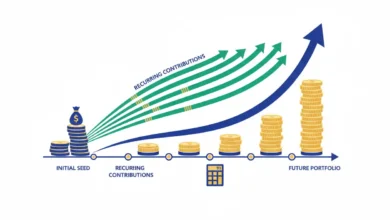
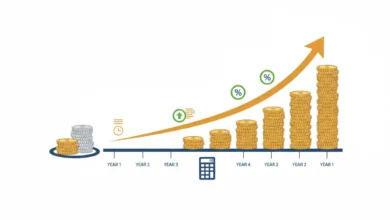
Investment Growth: Compounding & Contributions
Investment growth comes from three main sources: the amount invested initially, additional contributions, and returns generated over time. A portfolio…
Read More » -
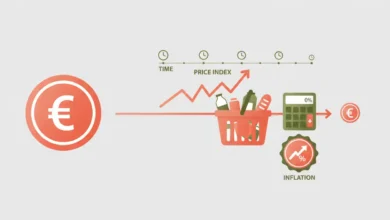
Inflation: Real Value Over Time
Inflation is a sustained increase in the general level of prices, which reduces the purchasing power of a unit of…
Read More » -
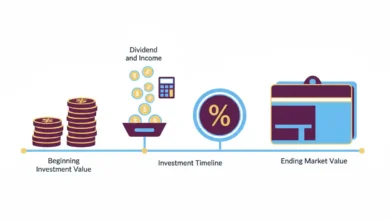
Holding Period Return: Formula, Meaning & Example
Holding period return measures the total return earned or lost while an investment is held. It combines two major sources…
Read More » -
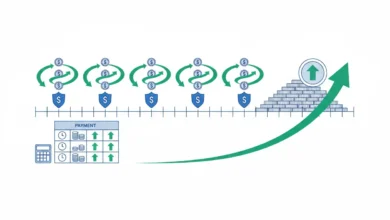
Future Value Of Annuity: Formula, Meaning & Example
The future value of annuity calculation determines what a series of equal recurring payments could accumulate to after earning an…
Read More » -
Future Value: Compounding
Future value estimates what money today could become at a specified point in the future under an assumed growth rate.…
Read More » -
FIRE: Financial Independence Math
FIRE stands for Financial Independence, Retire Early. The central mathematical idea is to accumulate enough invested assets that a planned…
Read More » -
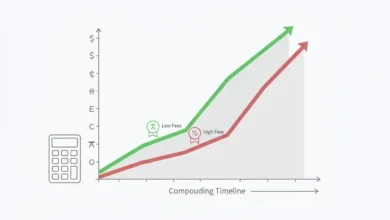
Expense Ratios: Long-Term Impact
Expense ratios can look small when viewed as annual percentages, but their long-term impact can become substantial because investment costs…
Read More » -
Expense Ratio: Formula, Meaning & Example
An expense ratio measures a fund’s annual operating expenses relative to the assets invested in that fund. If a fund…
Read More »