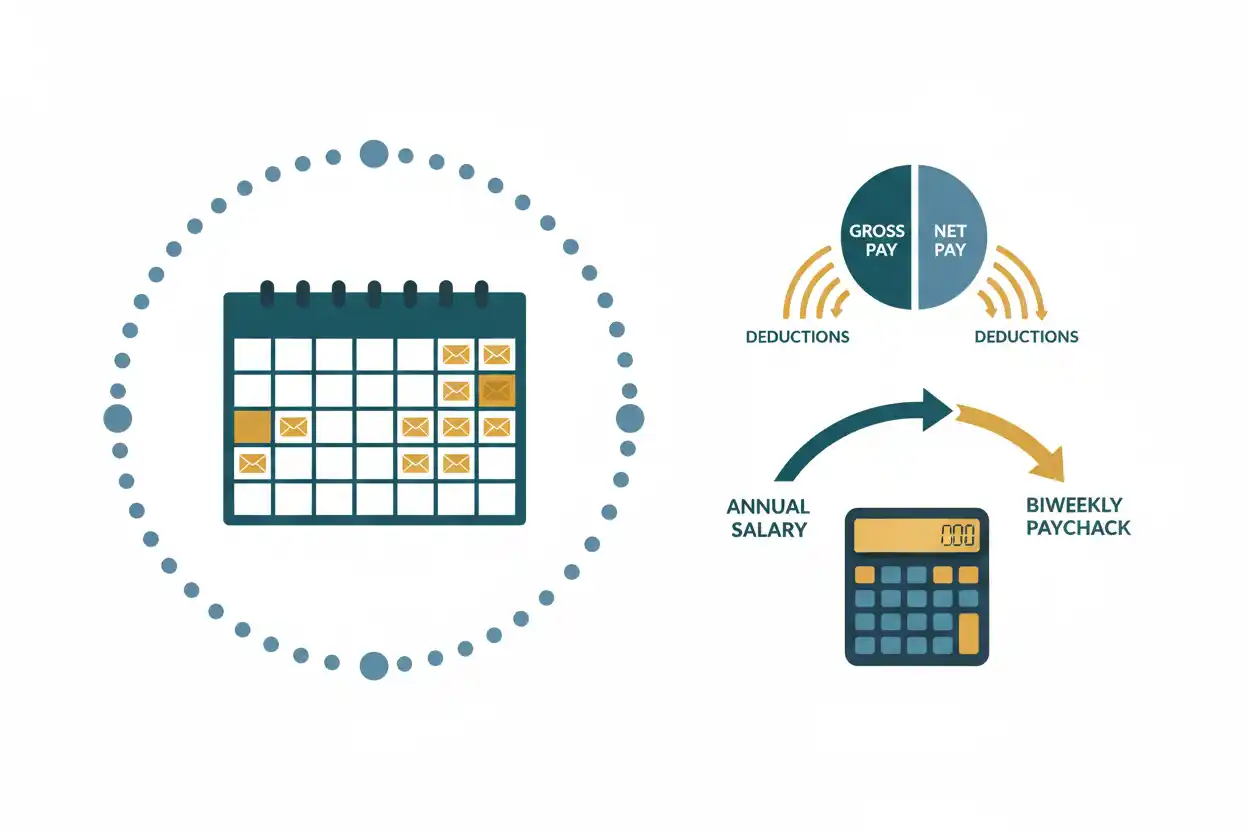

Biweekly pay means employees are paid once every two weeks.
A standard biweekly schedule contains 26 pay periods in a typical 52-week year, so a $2,400 gross biweekly paycheck corresponds to $62,400 of annualized gross pay.
Biweekly pay is often confused with semimonthly pay, which normally means two paychecks per calendar month, or 24 per year.
That difference affects paycheck size, monthly budgeting, and annual salary conversions.
What Does Biweekly Pay Mean?
Biweekly means:
One Paycheck Every Two Weeks
Because a year contains approximately 52 weeks:
52 ÷ 2 = 26
Therefore, a normal annual biweekly conversion uses 26 pay periods.
Annual Pay From a Biweekly Paycheck
Annual Gross Pay = Biweekly Gross Pay × 26
Suppose:
Biweekly Gross Pay = $2,400
Then:
Annual Gross Pay = $2,400 × 26
= $62,400
The annualized gross pay is $62,400.
Biweekly Pay From Annual Salary
Reverse the calculation:
Biweekly Gross Pay = Annual Salary ÷ 26
If annual salary is:
$78,000
then:
$78,000 ÷ 26
= $3,000
The standard gross biweekly paycheck is $3,000.
Biweekly Pay vs Semimonthly Pay
These schedules are easy to confuse.
Biweekly means every 14 days.
Semimonthly means twice per month.
Suppose annual salary is $72,000.
Biweekly:
$72,000 ÷ 26 ≈ $2,769.23
Semimonthly:
$72,000 ÷ 24 = $3,000
The semimonthly paycheck is larger because only 24 checks are issued.
Annual salary remains the same.
Why Biweekly Workers Sometimes Get Three Paychecks in a Month
Because paychecks arrive every 14 days rather than exactly twice per calendar month, the dates shift through the calendar.
Most months contain two pay dates, while two months in a standard 26-paycheck year commonly contain three.
This is why:
Biweekly Pay × 2
is not an accurate calculation of average monthly income across the full year.
Average Monthly Gross Income From Biweekly Pay
Suppose:
Biweekly Gross Pay = $2,400
Annualized gross pay:
$2,400 × 26 = $62,400
Average monthly gross income:
$62,400 ÷ 12
= $5,200
Simply multiplying by two gives:
$4,800
which understates the average monthly amount by:
$5,200 − $4,800 = $400
because it ignores the extra two paychecks distributed across the year.
Net Biweekly Pay
Suppose gross biweekly pay is:
$2,400
and total withholding plus employee deductions equals:
$550
Net biweekly pay:
$2,400 − $550
= $1,850
Annual net cash under a 26-check schedule:
$1,850 × 26
= $48,100
Average monthly net cash:
$48,100 ÷ 12
≈ $4,008.33
This average is useful for budgeting monthly expenses.
Biweekly Gross Pay vs Net Pay
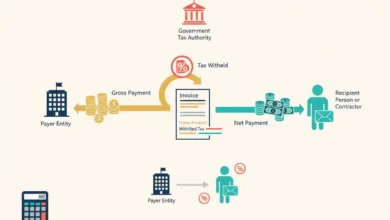
Gross biweekly pay is compensation before paycheck deductions.
Net biweekly pay is the amount remaining after the deductions applied to that paycheck.
Therefore:
Net Biweekly Pay = Gross Biweekly Pay − Withholding − Other Employee Deductions
If the objective is to compare job compensation, gross pay is useful.
If the objective is to plan rent, groceries, and savings, net cash is usually more relevant.
Converting Biweekly Pay to Weekly Pay
Because one biweekly period covers two weeks:
Weekly Equivalent = Biweekly Pay ÷ 2
For a $2,400 gross check:
$2,400 ÷ 2
= $1,200 per week
This is a simple period conversion.
Converting Biweekly Pay to Hourly Equivalent
Suppose a biweekly paycheck covers:
80 work hours
and gross pay is $2,400.
Hourly equivalent:
$2,400 ÷ 80
= $30 per hour
For salaried workers, this may only be a comparison rate rather than the legal or contractual basis of compensation.
Biweekly Pay and Bonus Pay
A bonus may appear on a regular biweekly paycheck or on a separate payroll.
Suppose:
Regular Gross Pay = $2,400
and a bonus adds:
$1,000
Gross paycheck:
$3,400
The larger withholding visible on that paycheck should not automatically be interpreted as the employee’s final tax rate on the bonus.
Payroll withholding and final annual tax are different calculations.
Biweekly Pay and AGI
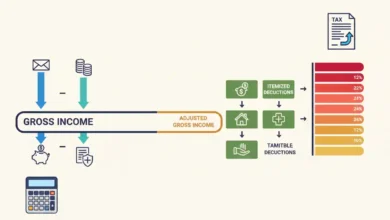
Adjusted gross income is an annual tax concept.
Biweekly gross pay can contribute to annual income, but AGI also depends on other included income and qualifying adjustments.
For example:
$2,400 × 26 = $62,400
may establish annual employment pay, but it does not automatically mean:
AGI = $62,400
Biweekly Pay and Capital Gains
Investment profits should not be included in biweekly wages merely because they occur during the same year.
The taxation of gains from selling investments belongs under capital gains tax.
Separating wages from investment gains keeps payroll calculations accurate.
A 27-Paycheck Year
Because a calendar year is slightly longer than exactly 52 weeks, some biweekly payroll schedules can occasionally contain 27 pay dates, depending on the employer’s calendar and the placement of payday.
Suppose each check is:
$2,400
If 27 identical checks were paid:
$2,400 × 27 = $64,800
However, salaried payroll systems can handle such years differently.
Employees should use their employer’s actual payroll schedule rather than assuming every 27-pay-period year automatically creates one full extra salary payment.
Why 26 Is Still the Standard Conversion
For ordinary annual salary calculations:
Biweekly Pay = Annual Salary ÷ 26
is the standard planning convention.
The occasional calendar year with 27 pay dates is a payroll-scheduling edge case that should be handled using the employer’s actual policy.
Budgeting With Two Regular Paychecks
Suppose net biweekly pay is:
$2,000
A household might build its recurring monthly expenses around:
$4,000
from two checks.
Because the annual average is actually:
$2,000 × 26 ÷ 12 ≈ $4,333.33
the two extra checks can then be assigned deliberately to savings, irregular costs, debt reduction, or other goals.
This approach can reduce dependence on the extra-check months for ordinary bills.
Budgeting With the Annual Average
Another method uses:
Annual Net Pay ÷ 12
For $2,000 net biweekly pay:
$2,000 × 26 = $52,000
$52,000 ÷ 12 ≈ $4,333.33
The household can then smooth income at approximately $4,333 per month.
This works best when enough cash is held to manage the timing difference between two-paycheck and three-paycheck months.
Biweekly Savings Contributions
Suppose an employee saves:
$250 from every biweekly paycheck
Annual contributions:
$250 × 26
= $6,500
If the employee incorrectly plans for 24 contributions:
$250 × 24 = $6,000
the annual savings projection is understated by $500.
Pay Raise Example
Suppose biweekly gross pay rises:
$2,400 → $2,520
Increase:
$120
Percentage increase:
$120 ÷ $2,400 × 100
= 5%
Annualized increase:
$120 × 26
= $3,120
Missing a Pay Period Due to Unpaid Time
Hourly workers may not receive identical biweekly amounts.
Suppose:
- hourly rate = $25;
- normal period = 80 hours;
- actual paid hours = 72.
Normal gross:
$25 × 80 = $2,000
Actual gross:
$25 × 72 = $1,800
Difference:
$200
For variable-hour workers, annualization from one paycheck can therefore be misleading.
Common Biweekly Pay Mistakes
One mistake is assuming biweekly means twice a month.
Another is multiplying by 24 instead of 26 to estimate annual pay.
People also budget from gross rather than net pay or forget that hourly biweekly checks can vary with hours worked.
Frequently Asked Questions
What does biweekly pay mean?
It means being paid every two weeks.
How many biweekly pay periods are normally in a year?
Typically 26.
How do I calculate annual pay from biweekly pay?
Annual Pay = Biweekly Pay × 26
How do I calculate biweekly pay from salary?
Biweekly Pay = Annual Salary ÷ 26
Is biweekly the same as twice monthly?
No. Twice-monthly or semimonthly pay normally produces 24 checks per year.
Why do some months have three biweekly paychecks?
A 14-day schedule moves independently of calendar months, creating two three-paycheck months in many 26-pay-date years.
How do I calculate average monthly income?
Average Monthly Income = Biweekly Pay × 26 ÷ 12
Can there ever be 27 biweekly pay dates?
Yes, depending on how the calendar and payroll schedule align.
Is gross biweekly pay my take-home pay?
No.
Do bonuses change my normal biweekly rate?
A bonus can increase a particular paycheck without changing the underlying regular-pay rate.
Should I use gross or net biweekly pay for a budget?
Net pay is generally more relevant for cash-flow planning.
Why understand biweekly pay?
It prevents pay-period conversion errors and makes income planning more accurate across the Taxes & Pay.